

EN590 Diesel Future: 7 Critical Trends Reshaping European Standard


Table of Contents
Regulatory Evolution and Sulfur Limitations

Biodiesel Blending Mandates
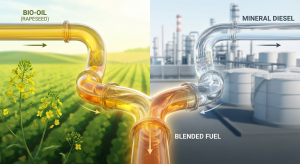
European markets increasingly require EN590 diesel to incorporate fatty acid methyl ester (FAME) biodiesel up to 7% by volume (B7 grade). Some member states permit B10 or higher blends. This transition creates several operational considerations:
- Storage compatibility: FAME increases water absorption and microbial growth risk, requiring enhanced tank maintenance protocols
- Cold flow properties: Biodiesel affects cloud point and cold filter plugging point (CFPP), critical for winter-grade fuels
- Supply chain transparency: Traders must document feedstock origins to meet sustainability criteria under RED II
- Quality degradation: FAME oxidizes faster than petroleum diesel, reducing shelf life from 12 months to 6-9 months
According to the S&P Global Platts assessment framework, biodiesel-blended specifications now command separate pricing differentials in Rotterdam and Mediterranean markets.
Refinery Technology Adaptation
Meeting EN590 diesel standards requires significant capital investment in refinery infrastructure. Modern facilities deploy:
| Technology | Function | Sulfur Reduction |
|---|---|---|
| Hydrodesulfurization (HDS) | Catalytic hydrogen treatment | 50-500 ppm to <10 ppm |
| Deep HDS Units | Advanced catalyst systems | Achieves <5 ppm consistently |
| Isomerization | Improves cold flow properties | Maintains cetane >51 |
Refineries lacking these capabilities face competitive disadvantages. Asian and Middle Eastern producers targeting European markets must demonstrate consistent specification adherence through independent laboratory certification.
Global Supply Chain Reconfiguration
The evolution of EN590 diesel standards reshapes international trade flows. European import dependency creates opportunities for compliant suppliers while marginalizing non-conforming sources. Key developments include:
- Middle East refineries: Gulf producers invest heavily in upgrading facilities to capture European premium markets
- Russian supply disruption: Geopolitical tensions force buyers to diversify procurement, increasing demand from alternative origins
- IMO 2020 synergy: Marine fuel regulations create parallel demand for compliant distillates
- Storage infrastructure: European terminals upgrade segregation capabilities to handle multiple diesel grades
For comprehensive context on fuel specifications, traders should review our complete EN590 diesel guide, which details technical parameters and trading considerations.
Pricing and Premium Structures

EN590 diesel pricing reflects specification complexity and compliance costs. Rotterdam ICE gasoil futures serve as the primary benchmark, with premiums applied for:
- Ultra-low sulfur compliance: Typically $15-30 per metric ton above standard diesel
- Winter-grade specifications: Additional $10-25/MT during November-March for CFPP -15°C or lower
- Biodiesel blending: FAME component costs fluctuate based on feedstock availability and sustainability certification
- Documentation quality: Cargoes with comprehensive certificates of analysis command higher prices
Market intelligence indicates that EN590 diesel with full traceability documentation trades at 2-3% premiums compared to generic ULSD in spot markets.
Certification and Documentation Standards
Regulatory compliance demands rigorous documentation protocols. Successful EN590 diesel transactions require:
- Certificates of Quality (CoQ): Independent laboratory analysis confirming all specification parameters
- Certificates of Origin: Documenting refinery source and production date
- Sustainability declarations: For biodiesel components, proving compliance with RED II criteria
- Tank storage records: Demonstrating proper handling and contamination prevention
- ISO 9001 certification: Many buyers now require supplier quality management system verification
The Harmonized System (HS) code 2710.19.43 specifically classifies EN590 diesel for customs purposes, facilitating streamlined cross-border movements within established trade agreements.
Market Outlook and Strategic Positioning
The trajectory for EN590 diesel points toward increasingly stringent environmental requirements. The European Green Deal targets 55% emissions reduction by 2030, which will likely trigger:
- Higher biodiesel mandates: Progressive increase toward B20-B30 blends in select markets
- Synthetic fuel integration: E-diesel and renewable diesel competing with conventional products
- Carbon border adjustments: Import levies based on production carbon intensity
- Enhanced traceability: Blockchain and digital documentation becoming standard practice
Petrochemical traders must evaluate their supplier networks against these emerging requirements. Partnerships with refineries demonstrating investment in low-carbon technologies will provide competitive advantages as regulations tighten.
Conclusion
The evolution of EN590 diesel standards represents more than regulatory compliance—it fundamentally reshapes competitive dynamics in global fuel markets. Successful traders recognize that specification adherence, documentation quality, and supply chain transparency now determine market access and pricing power. As European environmental mandates intensify, early adaptation to these requirements creates sustainable competitive advantages while positioning organizations for the transition toward renewable fuel alternatives.
Secure Your EN590 Diesel Supply Chain
Partner with Petro Eghlima for certified, compliant EN590 diesel sourced from verified refineries. Our global network ensures specification adherence, competitive pricing, and reliable delivery schedules.