
Digital Oil Trading: 5 Tech Trends Reshaping Markets


The global energy sector is currently undergoing its most significant transformation in decades. For importers, exporters, and manufacturers, the shift toward Digital Oil Trading is no longer just a futuristic concept; it is an immediate operational necessity. Volatility in crude prices, shifting geopolitical landscapes, and the demand for sustainability are forcing the industry to abandon manual processes in favor of integrated digital solutions. As we move through 2025, the ability to leverage data is becoming the primary differentiator between profitable trades and missed opportunities.
At Petro Eghlima, we understand that modernizing the supply chain is critical for maintaining a competitive edge. This transformation goes beyond simple digitization. It involves the complete restructuring of how derivatives are sourced, tracked, and sold across borders. In this analysis, we explore the technological drivers that are redefining the petrochemical landscape and how they impact global trade flows.
Table of Contents
1. The Evolution of Digital Oil Trading
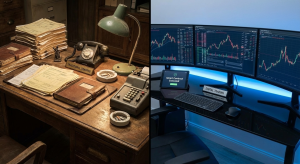
Historically, the oil and gas trade relied heavily on paper-based documentation, phone negotiations, and fragmented spreadsheets. This legacy approach often resulted in opacity and inefficiencies. Today, Digital Oil Trading platforms are centralizing these activities. They provide a unified ecosystem where buyers and sellers can interact with greater speed and accuracy.
The transition is driven by the need for speed. In a market where Brent and WTI prices fluctuate by the minute, waiting for manual confirmation can cost traders significant margins. Digitalization allows for instant trade execution and automated compliance checks. This reduces the risk of human error and ensures that contracts adhere to international standards.
Furthermore, digital platforms are enabling smaller players to access global markets. By reducing the administrative burden, these technologies lower the barrier to entry. This democratization of trade fosters a more dynamic and competitive market environment.
2. Blockchain: Trust and Transparency in Supply Chains
Blockchain technology is solving one of the industry’s oldest problems: trust. In the context of Digital Oil Trading, blockchain creates an immutable ledger of transactions. Every step of the supply chain, from the refinery to the final port of discharge, is recorded and verified. This is particularly vital for validating the origin of products and ensuring compliance with sanctions or environmental regulations.
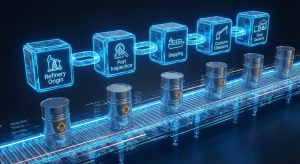
Smart contracts are a key feature of this technology. These are self-executing contracts with the terms of the agreement directly written into code. For example, a smart contract can automatically release payment once a shipment passes inspection and customs clearance. This automation eliminates delays associated with letters of credit and manual invoicing.
For a deeper understanding of how market participants operate within these new frameworks, you can read our guide on energy traders and brokers, which details the evolving roles in the modern ecosystem.
3. AI and Predictive Analytics in Price Forecasting
Artificial Intelligence (AI) is revolutionizing how trading decisions are made. By analyzing vast datasets—including weather patterns, geopolitical news, and historical price movements—AI algorithms can predict market trends with remarkable accuracy. This predictive capability is essential for successful Digital Oil Trading strategies.
Machine learning models help traders optimize their hedging strategies. By identifying potential risks before they materialize, companies can lock in favorable prices and protect their margins. This proactive approach is far superior to reactive decision-making based on outdated information.
Additionally, AI optimizes logistics. Algorithms can calculate the most efficient shipping routes, taking into account fuel consumption, weather conditions, and port congestion. This not only reduces costs but also minimizes the carbon footprint of transportation, aligning with global sustainability goals.
4. IoT and Real-Time Cargo Monitoring
The Internet of Things (IoT) brings physical assets into the digital realm. Sensors installed on pipelines, storage tanks, and shipping vessels transmit real-time data regarding the condition and location of cargo. For Digital Oil Trading, this means absolute visibility over inventory.
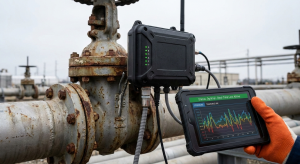
IoT sensors monitor critical parameters such as temperature, pressure, and volume. This is crucial for sensitive products like LNG or specific chemical solvents that require strict storage conditions. If a deviation occurs, the system triggers immediate alerts, allowing operators to take corrective action before the cargo is compromised.
According to reports by the U.S. Energy Information Administration (EIA), the integration of digital tracking technologies is significantly improving the efficiency of global energy distribution networks. This level of oversight reduces theft, leakage, and disputes over quantity or quality at the point of delivery.
5. Traditional vs. Digital Trading Models
To understand the magnitude of this shift, it is helpful to compare the traditional methods with the modern approach. The following table highlights the key operational differences and the value added by adopting Digital Oil Trading practices.
| Operational Aspect | Traditional Trading | Digital Oil Trading |
|---|---|---|
| Documentation | Paper-based, Bills of Lading via courier | Electronic BoL, Blockchain verification |
| Contract Execution | Manual signatures, long settlement times | Smart contracts, instant settlement |
| Market Analysis | Retrospective reports, gut feeling | Real-time AI predictive analytics |
| Risk Management | Reactive, high exposure | Proactive, automated hedging |
| Transparency | Siloed data, limited visibility | End-to-end supply chain visibility |
6. Future Outlook: Automation and Standards
Looking ahead, the integration of these technologies will only deepen. We anticipate a surge in autonomous operations, where AI agents negotiate and execute standard trades within pre-defined parameters. This will free up human traders to focus on complex, high-value strategic deals. The future of Digital Oil Trading is autonomous, transparent, and highly efficient.

Standardization remains a challenge. For these systems to work globally, the industry must agree on common data protocols. Organizations like ASTM and ISO are working toward establishing these digital standards. Once established, interoperability between different proprietary platforms will streamline the global flow of petrochemicals even further.
- Regulatory Compliance: Automated systems will ensure adherence to changing environmental regulations (like IMO 2020/2030).
- Sustainability: Digital tools will track carbon credits and emissions attached to specific cargoes.
- Cybersecurity: As trade goes digital, robust cybersecurity measures will become as important as physical security.
Conclusion
The digitization of the oil and gas sector is not merely a trend; it is a fundamental restructuring of the market. For stakeholders in the petrochemical industry, embracing Digital Oil Trading is essential for survival and growth. From blockchain-enabled trust to AI-driven insights, technology offers the tools needed to navigate an increasingly complex global market.
Petro Eghlima remains at the forefront of these developments. We leverage advanced market analysis and streamlined logistics to ensure our clients receive the highest quality products with maximum efficiency. As the landscape evolves, our commitment to innovation ensures that your supply chain remains robust and reliable.
Ready to Modernize Your Procurement?
Secure your supply chain with a partner who understands the future of energy. Contact Petro Eghlima today for competitive pricing on premium petrochemical derivatives and experience the efficiency of Digital Oil Trading firsthand.