

7 Ways Sustainable Urea Fertilizers Cut Carbon Emissions

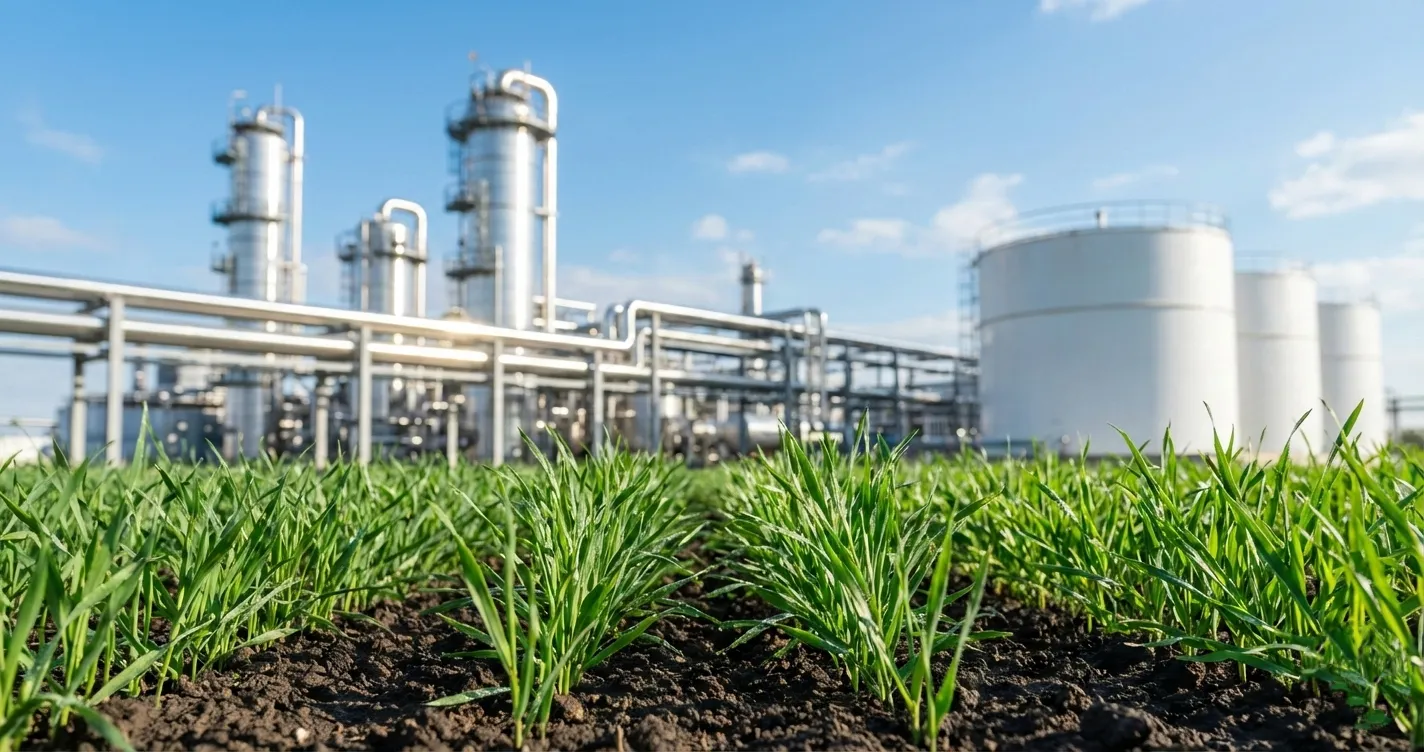
The global agricultural sector faces mounting pressure to reduce its carbon footprint while maintaining food security. Sustainable urea fertilizers represent a breakthrough solution, combining petrochemical innovation with environmental responsibility. For importers, traders, and procurement managers, understanding these next-generation fertilizers is essential for strategic sourcing decisions.
Modern sustainable urea production integrates carbon capture technology, optimized synthesis processes, and precision application methods. These advancements directly address the agriculture industry’s contribution to greenhouse gas emissions while preserving crop yields.
Table of Contents
- Advanced Production Technologies Reducing Emissions
- Carbon Capture Integration in Urea Manufacturing
- Controlled-Release Coating Technologies
- Precision Agriculture and Smart Application
- Optimized Supply Chain and Logistics
- International Standards and Certifications
- Market Dynamics and Trading Opportunities
- Conclusion
Advanced Production Technologies Reducing Emissions
Next-generation urea plants employ energy-efficient synthesis methods that reduce carbon dioxide emissions by up to 40% compared to conventional facilities. Modern ammonia-urea complexes integrate waste heat recovery systems and optimized catalytic converters to minimize energy consumption during the Haber-Bosch process.
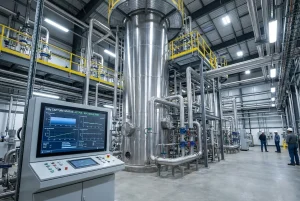
Key technological improvements include:
- High-pressure stripping technology reducing steam consumption
- Advanced heat integration lowering energy requirements by 25-30%
- Catalytic converters maximizing nitrogen conversion efficiency
- Automated process controls optimizing reaction conditions
These innovations align with urea’s critical role in global food security while addressing environmental concerns. Traders should prioritize suppliers demonstrating verifiable emission reduction credentials.
Carbon Capture Integration in Urea Manufacturing
Carbon capture and utilization (CCU) represents a transformative approach where CO2 emissions become feedstock for sustainable urea fertilizers. Leading manufacturers now capture up to 90% of process emissions, converting them directly into fertilizer products rather than releasing them into the atmosphere.
Industrial CCU systems operate through:
- Chemical absorption using amine-based solvents
- Membrane separation technologies for CO2 purification
- Direct integration with ammonia synthesis units
- Closed-loop recycling of carbon compounds
According to the International Energy Agency, carbon capture in ammonia-urea production could eliminate 450 million tonnes of CO2 annually by 2030. This positions sustainable urea fertilizers as essential components in achieving net-zero agricultural systems.
Controlled-Release Coating Technologies
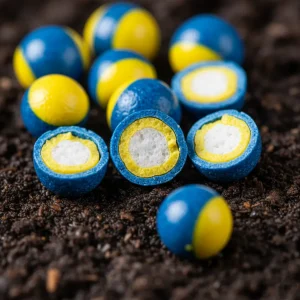
Polymer-coated and sulfur-coated urea products significantly reduce nitrogen volatilization and nitrous oxide emissions. These controlled-release formulations deliver nutrients gradually, matching crop uptake patterns and minimizing environmental losses.
| Technology Type | Emission Reduction | Efficiency Gain | Application Sector |
|---|---|---|---|
| Polymer-Coated Urea (PCU) | 50-70% N2O reduction | 30-40% improved uptake | High-value crops, horticulture |
| Sulfur-Coated Urea (SCU) | 40-55% N2O reduction | 25-35% improved uptake | Cereals, oilseeds |
| Urease Inhibitors | 35-45% NH3 reduction | 20-30% improved uptake | Grasslands, pastures |
| Nitrification Inhibitors | 45-60% N2O reduction | 25-40% improved uptake | Rice paddies, wetlands |
Procurement managers should evaluate coating durability, release patterns, and compatibility with existing application equipment when sourcing sustainable urea fertilizers.
Precision Agriculture and Smart Application
Digital technologies enable precise fertilizer application, reducing excess usage and associated emissions. GPS-guided spreaders, soil sensors, and satellite imagery optimize urea deployment based on real-time crop requirements and soil conditions.
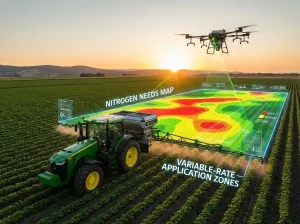
Smart application systems provide:
- Variable-rate technology adjusting doses per field zone
- Soil moisture monitoring preventing over-application
- Crop health imaging identifying nutrient deficiencies
- Weather-based application timing minimizing volatilization
These precision methods complement sustainable urea fertilizers by ensuring optimal nitrogen use efficiency (NUE) exceeding 75%, compared to conventional approaches averaging 45-55% NUE.
Optimized Supply Chain and Logistics
Efficient distribution networks minimize transportation-related emissions in the urea supply chain. Strategic port positioning, bulk handling infrastructure, and multimodal logistics reduce the carbon intensity of fertilizer delivery.
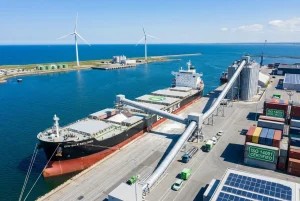
Supply chain optimization involves:
- Regional production hubs reducing transport distances
- Bulk carrier efficiency improvements lowering fuel consumption
- Rail and barge integration for inland distribution
- Warehouse automation reducing energy usage
Traders should prioritize suppliers with ISO 14001-certified environmental management systems and transparent carbon accounting across the entire value chain.
International Standards and Certifications
Global regulatory frameworks increasingly mandate emission reductions in fertilizer production and application. Understanding compliance requirements is essential for international trade operations.
Key certifications include:
- ISO 14064 for greenhouse gas accounting and verification
- Product Carbon Footprint (PCF) declarations per ISO 14067
- EU Fertilising Products Regulation (2019/1009) requirements
- ASTM International specifications for coated fertilizers
Sustainable urea fertilizers meeting these standards command premium prices while accessing restricted markets. Importers should verify third-party certification through accredited bodies before finalizing procurement contracts.
Market Dynamics and Trading Opportunities
The sustainable fertilizer market demonstrates robust growth, with projections indicating 12-15% CAGR through 2030. Carbon pricing mechanisms and agricultural subsidy reforms drive demand for low-emission urea products.

Market drivers include:
- Carbon border adjustment mechanisms (CBAM) favoring low-carbon products
- Corporate sustainability commitments from major agricultural buyers
- Government incentives for precision farming adoption
- Consumer demand for sustainably produced food commodities
Trading opportunities exist in differential pricing between conventional and sustainable urea fertilizers, typically ranging from $30-80 per tonne premium depending on certification level and emission reduction performance.
Conclusion
Sustainable urea fertilizers represent the convergence of petrochemical innovation and environmental stewardship. Through advanced production technologies, carbon capture integration, controlled-release formulations, and precision application methods, these next-generation products deliver substantial emission reductions without compromising agricultural productivity.
For global traders, importers, and supply chain professionals, sustainable urea fertilizers offer strategic advantages in carbon-conscious markets. Prioritizing suppliers with verified emission reduction credentials, robust certifications, and transparent carbon accounting ensures competitive positioning in evolving regulatory landscapes.
The transition toward sustainable urea fertilizers accelerates as carbon pricing mechanisms mature and agricultural sustainability requirements intensify. Early adoption positions procurement teams to capture value from premium markets while supporting global decarbonization objectives.
Secure Your Sustainable Urea Supply Today
Petro Eghlima connects global buyers with certified sustainable urea fertilizers meeting the highest environmental standards. Our extensive supplier network ensures reliable access to low-carbon products with complete traceability and third-party verification.
Contact our trading desk for competitive pricing, technical specifications, and supply chain solutions tailored to your sustainability requirements. We are ready to engage with genuine and loyal buyers.