
Crude Oil Prices: 6 Powerful Geopolitical Drivers to Watch

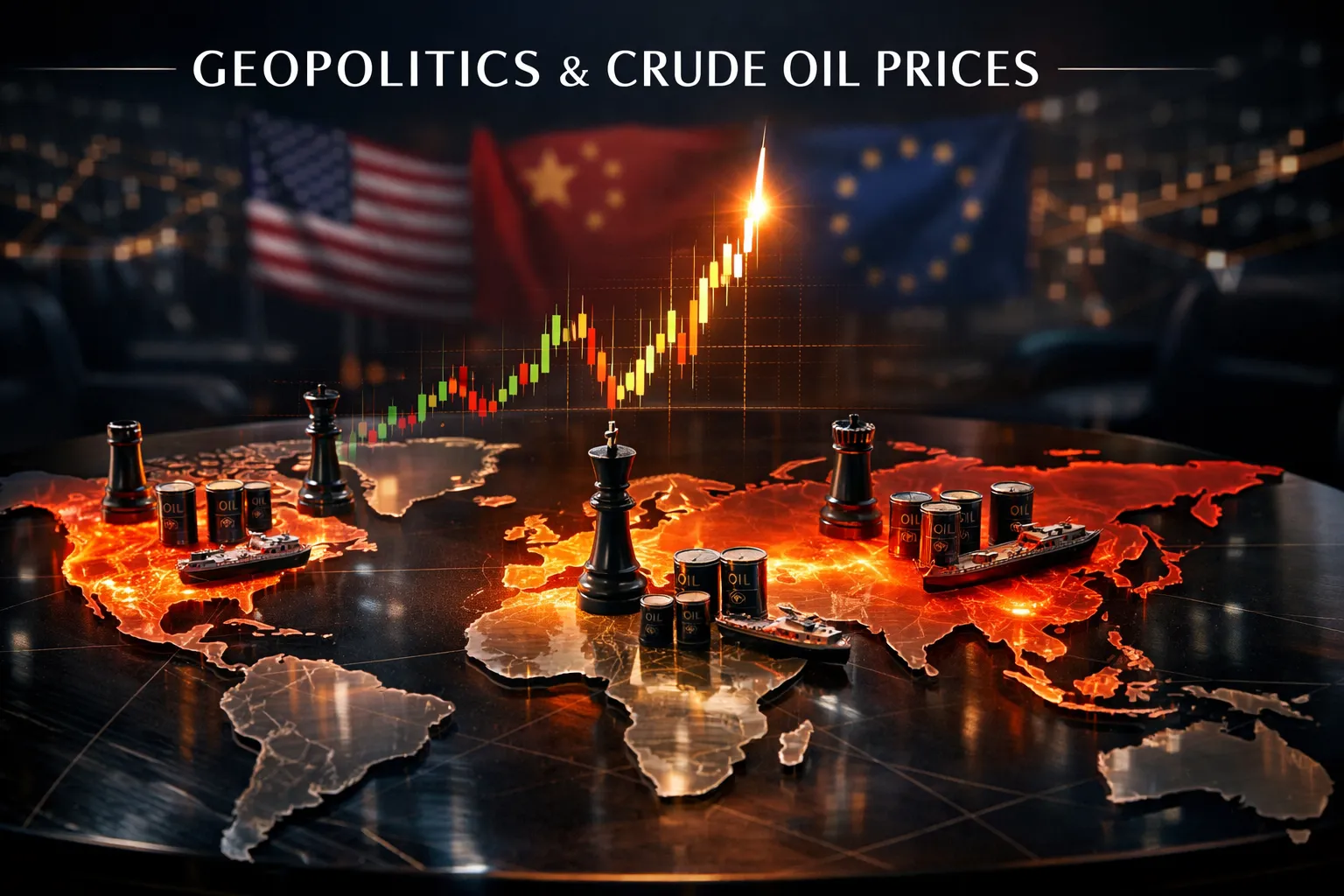
Every week, headlines about sanctions, regional conflicts, and diplomatic breakdowns ripple through energy desks worldwide.
Crude oil prices remain one of the most politically sensitive commodities on earth — and for global B2B buyers,
traders, and procurement managers, understanding the geopolitical forces behind price movements is not optional.
It is a core competency. This article delivers a structured, data-driven breakdown of the six most impactful geopolitical
drivers shaping global petroleum markets today.
Table of Contents
Why Geopolitics Moves Oil Markets
Oil is not just a commodity — it is a geopolitical instrument. Roughly 60% of global crude supply transits
through just a handful of strategic chokepoints: the Strait of Hormuz, the Suez Canal, and the Turkish Straits.
Any disruption at these nodes triggers immediate volatility in crude oil prices on both
Brent and WTI benchmarks. According to the
U.S. Energy Information Administration (EIA),
supply shocks driven by geopolitical events can add $5–$20 per barrel within days of an escalation.
For importers and refinery procurement teams, this price sensitivity directly affects landed cost, cracking margins,
and long-term contract negotiations. Understanding the structural causes — not just the headlines — is essential
for resilient sourcing strategies.
6 Key Geopolitical Drivers of Crude Oil Prices
1. Sanctions and Export Restrictions
International sanctions on major producers — including Iran, Russia, and Venezuela — consistently remove
significant volumes from global supply. Sanctioned crude often trades at steep discounts but creates
compliance risks for buyers. When supply from a top-10 producer is curtailed, spot markets react sharply,
pushing crude oil prices upward across all grades.
For reference on identifying sanctioned vs. non-sanctioned supply chains, review our guide on
the top 10 global crude oil suppliers
and their trade flow profiles.
2. OPEC+ Production Decisions
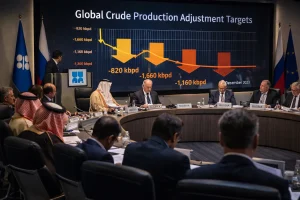
OPEC+ collectively controls over 40% of global crude output. Politically motivated production cuts or
unexpected quota changes directly realign supply-demand balances. Even pre-announced cuts cause forward
curve shifts that affect swap and futures pricing weeks before physical delivery.
3. Armed Conflicts in Producing Regions
Active conflicts in Libya, Yemen, and the broader Middle East create persistent supply uncertainty.
Infrastructure attacks — pipelines, loading terminals, refineries — can remove hundreds of thousands
of barrels per day almost instantly. This generates risk premiums embedded in Brent crude benchmarks.
4. Diplomatic Tensions and Trade Disputes
Trade disputes between major economies — especially U.S.-China relations — affect global energy demand
forecasts. When economic growth outlooks deteriorate due to tariff escalations, demand projections fall
and crude oil prices often soften despite supply constraints. Conversely, diplomatic breakthroughs
can trigger sharp upward corrections.
5. Strategic Reserve Releases
When governments release strategic petroleum reserves (SPR), it signals both political urgency and
market concern. SPR releases typically suppress short-term crude oil prices but signal underlying
tightness that reasserts itself within weeks. Traders monitor IEA member reserve levels as leading indicators.
6. Shipping Route Disruptions
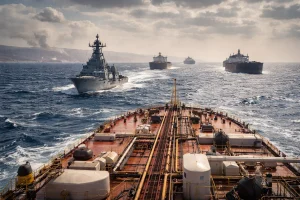
Attacks on tankers in the Red Sea or Persian Gulf directly inflate freight rates and insurance premiums.
These costs pass through to importers as higher effective landed prices, even when benchmark crude oil
prices remain flat. The Houthi disruptions of 2024 demonstrated how quickly alternative routing adds
$2–$4 per barrel in logistics costs.
Supply Chain Impact for B2B Buyers
Geopolitical risk does not affect all buyers equally. The impact depends on sourcing geography, contract
structure, and hedging capability. Buyers sourcing Middle Eastern crude (HS Code: 2709.00) face higher
Strait of Hormuz exposure, while those sourcing West African or North Sea grades have different risk profiles.
- Contract Type: Spot buyers absorb full price volatility; term contract holders benefit from formula pricing.
- HS Code Compliance: Under HS 2709.00 (crude petroleum), buyers must track sanctions lists linked to certificate of origin documentation.
- Refinery Scheduling: Supply disruptions from geopolitical events can force costly last-minute crude substitution, affecting refinery yield and product slate.
- Insurance & Force Majeure: War risk clauses in tanker insurance directly impact CIF pricing during escalations.
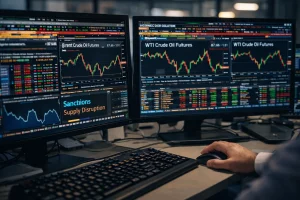
For a deeper view of how pricing benchmarks interact with these risks, see our analysis of
WTI vs. Brent vs. Dubai oil benchmarks.
Geopolitical Risk Comparison Table
| Geopolitical Driver | Price Impact | Duration | Key Regions Affected |
|---|---|---|---|
| Sanctions | +$5–$15/bbl | Long-term | Iran, Russia, Venezuela |
| OPEC+ Cuts | +$3–$10/bbl | Medium-term | Global (Brent/WTI/Dubai) |
| Armed Conflict | +$5–$20/bbl | Short to medium | Middle East, Libya |
| Trade Disputes | -$2–$8/bbl | Variable | Asia-Pacific demand zone |
| SPR Releases | -$3–$6/bbl | Short-term | IEA member states |
| Shipping Disruption | +$2–$4/bbl (logistics) | Event-driven | Red Sea, Hormuz, Suez |
Risk Mitigation Strategies for Traders
Sophisticated B2B buyers do not simply absorb geopolitical risk — they structure around it. Leading
procurement teams apply the following strategies to protect margins when crude oil prices spike:
- Diversified Sourcing: Maintain active relationships with producers across multiple regions to avoid single-origin dependency.
- Price Hedging: Use Brent or Dubai crude futures and swap instruments to lock in cost ceilings for term volumes.
- Flexible Contract Clauses: Negotiate force majeure, pricing re-opener, and cargo substitution clauses into long-term supply agreements.
- Real-Time Intelligence: Subscribe to Platts, Argus, or ICIS price reporting to track premium/discount movements before they appear in spot offers.
- Supply Chain Redundancy: Pre-qualify alternative suppliers and alternative loading ports to enable rapid sourcing pivots.

Conclusion
Geopolitical tensions are a permanent feature of the global energy landscape — not a temporary disruption.
For traders, importers, and procurement managers, the ability to anticipate how these tensions affect
crude oil prices is a decisive competitive advantage. From OPEC+ quota decisions to
Red Sea shipping risks, each driver requires a distinct risk response embedded in your sourcing strategy.
Petro Eghlima combines deep market expertise with global supplier networks to help B2B buyers navigate
price volatility with confidence. Our team monitors geopolitical developments in real time to deliver
transparent pricing, reliable supply, and documentation that meets international compliance standards.
Ready to Secure Stable Crude Oil Prices for Your Business?
Partner with Petro Eghlima for competitive crude oil prices, verified supply chains,
and full documentation support — even in volatile market conditions.
Contact our trading desk today for a tailored supply proposal.
✅ We are ready to engage with genuine and loyal buyers.