
Petrochemical Feedstocks: 7 Critical Market Dynamics


Petrochemical feedstocks are the lifeblood of global industrial production. From plastics to fertilizers, every sector depends on a stable and cost-effective feedstock supply. For B2B traders, procurement managers, and importers, understanding feedstock market dynamics is no longer optional — it is a strategic imperative that directly impacts margins and supply chain resilience.
Table of Contents
What Are Petrochemical Feedstocks?
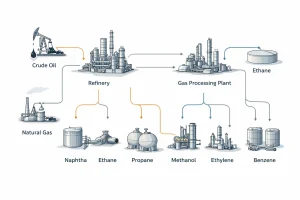
Petrochemical feedstocks are raw materials derived from crude oil and natural gas. They serve as the primary inputs for producing polymers, resins, solvents, and agrochemicals. The most commercially traded feedstocks include naphtha, ethane, propane, methanol, ethylene, propylene, and benzene.
These materials are classified under multiple HS codes including 2901 (acyclic hydrocarbons), 2902 (cyclic hydrocarbons), and 2905 (alcohols). Accurate HS code classification is essential for customs compliance in cross-border petrochemical trade.
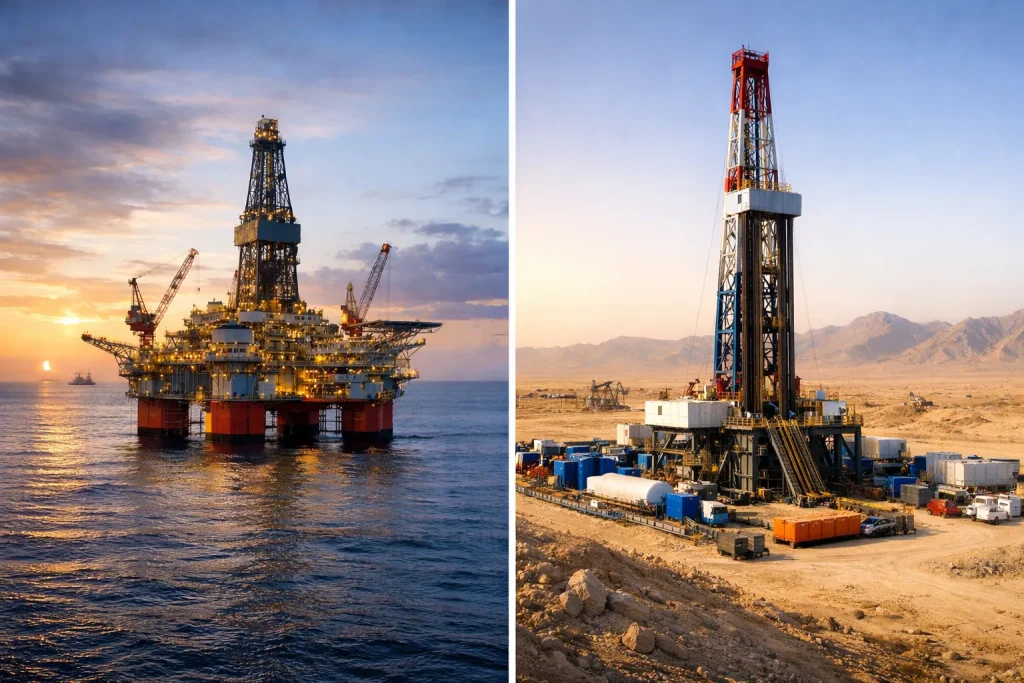
Refinery outputs and natural gas processing facilities are the two primary sources of feedstock supply. Understanding where feedstocks originate — and how refinery configurations affect availability — is critical for any global buyer. For a deeper view on refinery infrastructure, see our coverage on major oil refineries in Iran and the Gulf.
7 Key Feedstocks Driving Global Markets
- Naphtha: The dominant feedstock for steam crackers in Asia and Europe. Prices closely track Brent crude movements.
- Ethane: Predominantly used in the US Gulf Coast and Middle East for ethylene production. Lower cost than naphtha, driving competitive advantage.
- Propane: Used in dehydrogenation (PDH) units to produce propylene. Trade flows heavily from the US and the Middle East.
- Methanol: A versatile feedstock for MTO (methanol-to-olefins) plants and fuel blending. China is the largest producer and consumer.
- Ethylene: A primary olefin used in polyethylene, PVC, and ethylene oxide production. Traded via long-term contracts and spot markets.
- Propylene: Derived from fluid catalytic cracking (FCC) or PDH units. Essential for polypropylene, a material used across automotive and packaging sectors.
- Benzene: An aromatic feedstock for styrene, phenol, and nylon. Pricing benchmarks include Platts Aromatics assessments.
Pricing Dynamics and Benchmarks
Feedstock pricing is highly sensitive to crude oil prices, natural gas tariffs, and regional supply-demand imbalances. Naphtha prices, for instance, track Platts CIF NWE assessments, while ethane is typically priced relative to Mont Belvieu hub rates in the United States.
According to the U.S. Energy Information Administration (EIA), volatility in crude benchmarks directly transmits into feedstock cost structures within 2–4 weeks. This lag period is critical for procurement teams managing quarterly contracts.

Price differentials between feedstocks — known as the naphtha-ethane spread — can significantly shift cracker economics. When this spread widens, ethane-fed facilities in the Middle East gain a clear competitive edge over Asian naphtha crackers.
Supply Chain and Trade Flow Insights
Global feedstock trade flows follow distinct regional patterns. The Middle East and US are net exporters of ethane and propane. Asia — particularly China, South Korea, and India — remains the largest import market for naphtha and methanol.
European buyers are increasingly diversifying feedstock sources due to energy security concerns. This shift is accelerating investment in alternative feedstock routes, including bio-naphtha and recycled feedstocks. Supply chain disruptions, sanctions regimes, and freight rate volatility all affect feedstock availability.

For traders managing multi-origin procurement strategies, understanding crude oil market dynamics is foundational. Our analysis of heavy vs. light crude oil trading differences offers relevant context for feedstock sourcing decisions.
Feedstock Comparison Table
| Feedstock | Primary Derivative | Key Producing Region | Pricing Benchmark | HS Code |
|---|---|---|---|---|
| Naphtha | Ethylene, Propylene | Middle East, Russia | Platts CIF NWE | 2710.12 |
| Ethane | Ethylene | USA, Saudi Arabia | Mont Belvieu | 2901.10 |
| Propane (LPG) | Propylene | USA, UAE | Argus FEI | 2711.12 |
| Methanol | MTO Olefins, Fuel | China, Iran | MMSA / Platts | 2905.11 |
| Benzene | Styrene, Phenol | South Korea, Europe | Platts Aromatics | 2902.20 |
Market Trends to Watch in 2026
1. Energy Transition Pressure on Feedstock Mix
As decarbonization accelerates, petrochemical producers are under pressure to integrate bio-based and circular feedstocks. This is reshaping long-term supply contracts and investment priorities across the industry.
2. Asia’s Growing Methanol-to-Olefins Capacity
China’s continued expansion of MTO capacity is altering global methanol trade flows. Buyers in Southeast Asia are monitoring Chinese domestic output closely, as oversupply scenarios can rapidly deflate spot prices.
3. US Ethane Export Growth
Shale gas production continues to feed a growing ethane export infrastructure from the US Gulf Coast. New VLEC (Very Large Ethane Carrier) terminals are expanding export optionality for Asian buyers seeking feedstock cost arbitrage.

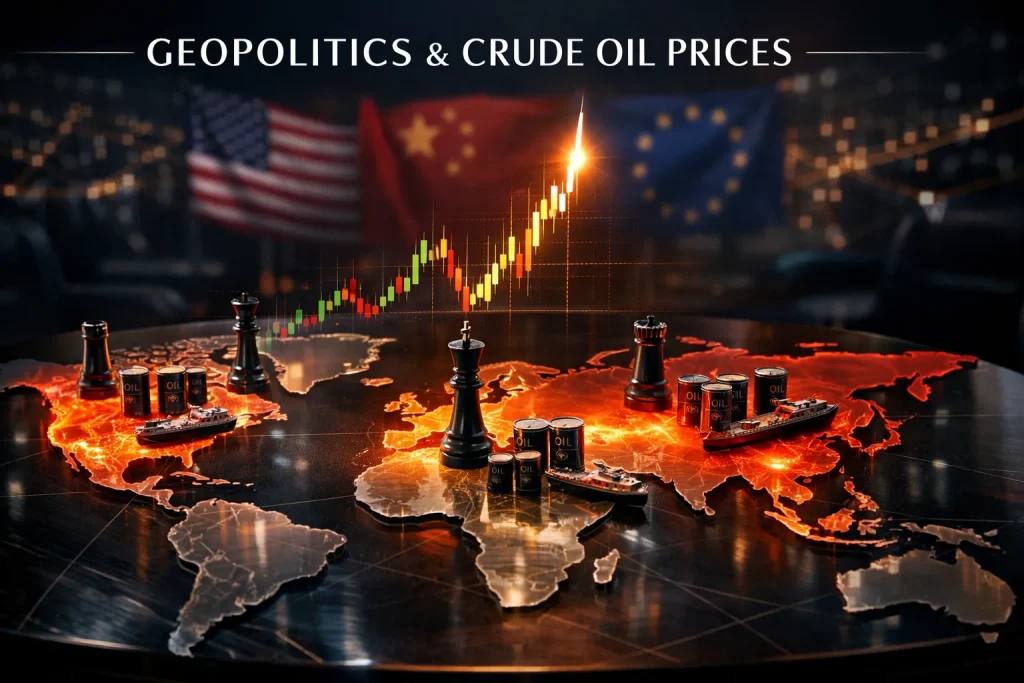
4. Geopolitical Risk in Key Export Corridors
Sanction environments and regional conflicts directly impact feedstock availability from the Middle East and Russia. Supply chain managers must build contingency sourcing strategies into their procurement frameworks.
5. Digital Trading Platforms
Real-time feedstock price discovery is being transformed by digital trading infrastructure. To understand how technology is reshaping commodity markets, explore our article on digital oil trading tech trends.
Conclusion
The market for petrochemical feedstocks is shaped by a complex interplay of crude oil prices, refinery configurations, regional demand shifts, and geopolitical forces. For B2B buyers, staying ahead requires real-time intelligence, diversified sourcing strategies, and strong supplier relationships.
Whether you are sourcing naphtha for a steam cracker or methanol for downstream synthesis, understanding the seven key dynamics outlined here will sharpen your procurement strategy and protect your margins in a volatile global market.
Ready to Source Petrochemical Feedstocks at Competitive Prices?
Petro Eghlima connects global buyers with reliable petrochemical feedstocks supply — from naphtha and ethane to methanol and benzene. Our team provides transparent pricing, flexible contract structures, and verified origin documentation.
We are ready to engage with genuine and loyal buyers.